

How to Cash a Cheque in Canada (2025): Mobile, ATM & Branch Options
Published on June 16, 2025 | By WealthFusions Finance Team
Whether it’s a paycheque, government refund, or birthday gift, knowing how to cash a cheque in Canada can help you avoid long holds and high fees. In this guide, we outline the 5 most common methods—including mobile cheque deposit and in-person options—along with comparison tables, required ID, and expert tips to help you access your money faster and smarter.
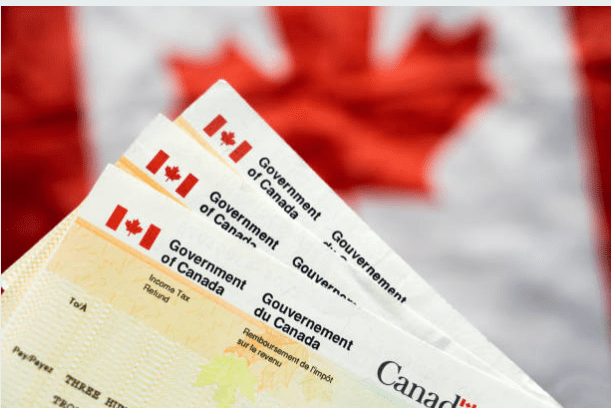
1. In‑Branch Cheque Cashing
Visit your bank or credit union branch to cash or deposit the cheque. This method is often the fastest for members.
- What you need: Endorsed cheque, government-issued photo ID, and account number (if non-member).
- Pros: Immediate access to cash (for clients), secure.
- Cons: May charge fees to non-customers; limited to business hours.
2. ATM Cheque Deposit
Most major banks allow you to deposit a cheque via ATM, with some cash withdrawal available right away.
- What you need: Endorsed cheque, debit card, and PIN.
- Pros: 24/7 access, simple interface.
- Cons: May hold full amount for 1–2 business days.
3. Mobile Cheque Deposit (Bank App)
Skip the line and use your phone to deposit the cheque through your bank’s mobile app. Most banks offer this feature free of charge.
- Open your mobile banking app.
- Choose “Deposit a Cheque.”
- Take clear photos of the front and back.
- Enter the amount and confirm.
Hold times: 2–5 business days, depending on the cheque amount and account history.
4. Cheque‑Cashing Services (e.g., Money Mart)
If you don’t have a bank account, cheque-cashing outlets offer instant access—for a fee.
- Fees: Typically 1–3% of cheque value or flat fees ($5–$15).
- ID: Two valid government-issued IDs required.
- Limits: Max cheque value is usually around $5,000.
Example: A $1,000 cheque at a 2% fee = $20 fee. You walk away with $980 in cash instantly.
5. Pre‑Authorized Direct Deposit
If recurring, you may be able to set up a direct deposit with the issuer (e.g., employer or government).
- How to set up: Provide a void cheque or direct deposit form with your banking details.
- Pros: No fees or holds; funds typically appear in 1–2 business days.
- Best for: Payroll, government benefits, recurring payments.
Cheque Cashing Methods Compared
| Method | Fees | Hold Time | Access Speed | Required Items |
|---|---|---|---|---|
| Bank Branch (Member) | $0 | Same day to 1 biz day | Immediate | ID, endorsed cheque |
| ATM Deposit | $0 | 0–2 biz days | Depends on account | Debit card, cheque |
| Mobile App Deposit | $0 | 2–5 biz days | After hold | Smartphone, cheque |
| Cheque-Cashing Store | 1–3% or $5–$15 | None | Instant | 2 IDs, cheque |
| Pre-Authorized Deposit | $0 | 1–2 biz days | Automatic | PAD form or void cheque |
Conclusion: What’s the Best Way to Cash a Cheque?
Cashing a cheque in Canada is easier than ever with digital options like mobile deposit and ATMs. For speed, in-branch and cheque-cashing stores are fastest. For savings, mobile apps and ATMs offer free processing—just expect a short hold. Not sure which method suits your situation?
visit this page? to get updated with the changing situation.
Frequently Asked Questions
1. How long does a cheque hold take in Canada?
Usually 2 business days for amounts under $1,500; cheques over $1,500 may be held up to 5 days depending on your bank’s policy.
2. Can I cash a cheque without a bank account?
Yes, but only through the issuing bank or a cheque-cashing store—fees will apply.
3. Is mobile cheque deposit secure?
Yes, banks use encryption. Always mark your cheque “deposited” and store it securely for 14+ days before shredding.
4. What ID do I need to cash a cheque?
Accepted IDs include government-issued photo ID (e.g., driver’s licence, passport) and a secondary ID like a credit card.
5. Are there mobile deposit limits?
Yes. Most banks limit daily mobile deposits to $1,500–$3,000. Higher limits may be available for premium clients.
6. Why would a cheque bounce?
Reasons include insufficient funds, stop payment, errors, or if the cheque is stale-dated (older than 6 months).
7. Can I cancel a cheque deposit after submitting it?
No. Once processed, deposits can’t be reversed. If there’s a problem, contact your bank immediately.
8. Are cheque-cashing outlets in Canada regulated?
Yes, provinces like Ontario and BC require outlets to register and follow maximum fee rules. Always verify before using.